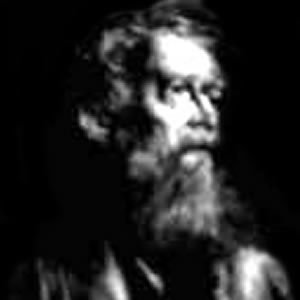
ENGLISH: Phinehas
HEBREW: Pinchas
ARAMAIC: Pinehas
ARABIC: Pinehas
BIRTH:
DEATH:
AGE:
SCRIPTURE: Unknown
Who was Phinehas?
Phinehas became the third high priest of Israel, serving for 19 years.
Why did God send Phinehas?
The primary purpose of prophets was to deliver divine guidance, moral laws, and spiritual warnings directly from God to humanity.
Judaism: Speaking truth to power, correcting kings, and calling Israel back to its covenant with God.
Christianity: Foretelling the Messiah (Jesus) and preparing humanity for the Kingdom of God.
Islam: Establishing absolute monotheism (Tawhid) and delivering legal frameworks to every nation.
What was Phinehas's role?
A zealous grandson of Aaron who took decisive action to maintain religious purity and uphold the community's moral standards.
What was Phinehas's core message to the people?
Describe the society/world Phinehas came into
| The Environment |
| The scorching desert plains of Moab and Shittim, situated just outside the borders of the Promised Land. |
| The Society |
| A transient, newly organized nation of Israelite tribes preparing for imminent military campaigns while facing heavy cultural pressure from local Moabite and Midianite populations. |
| The Social Climate |
| Highly volatile, tense, and spiritually compromised, as widespread panic, a devastating plague, and systemic sexual intermingling with pagan cults led to open religious rebellion within the Israelite camp. |
List the countries Phinehas set foot in?
- Nile Delta region, Egypt
- Sinai Peninsula wilderness, Egypt
- Shiloh, West Bank, Palestine
- Gibeah of Phinehas (Hill country of Ephraim), West Bank, Palestine
- Kadesh-barnea, Negev Desert, Israel
- Plains of Moab, Jordan
- Gilead region, Jordan
- Bethel, West Bank, Palestine
- Gibeah of Phinehas, West Bank, Palestine (Buried on the hill belonging to his family)
On googlemaps, where was Phinehas sent?
When was Phinehas on Earth?
Who is Phinehas in other religions?
| Phinehas in Judaism |
| Phinehas is celebrated for his profound zeal for God, as he intervened to stop an immoral plague by executing an Israelite man and Midianite woman. For his righteous jealousy, God granted him an everlasting covenant of the priesthood. |
| Phinehas in Christianity |
| He is recognized as a priest and a hero of faith in the Old Testament who protected the holiness of the community. His zealous action in turning away God's wrath is viewed as a demonstration of righteousness and purity of practice. |
| Phinehas in Islam |
| Phinehas is not explicitly named in the Quran. However, he is acknowledged in wider Islamic historical and traditional literature, which recognizes him for his righteousness, priestly lineage, and dedication to faith during the wilderness era. |
Was Phinehas related to other prophets?
What photo evidence exists for Phinehas?
Is Phinehas in the news today?
What interesting facts are there about Phinehas?
What faq questions are asked of Phinehas?
Where can I learn more of Phinehas?
What did Phinehas finally achieve?
What Youtube videos can I watch to learn more on Phinehas?
 14:56
14:56
8
1783334822
1784219501
Phinehas & Hophni - The Priests who mocked God | Animated Scriptures
000896
1
 27:09
27:09
7
1783334820
1784291566
Phinehas - A Priest who stopped a Plague | Whisper Of Scrolls
001629
2
 14:14
14:14
5
1783334828
1784229307
Phinehas - The Spear that saved a Nation
000854
3
Do any scripture texts refer to Phinehas?
Phinehas in the Torah
Torah is the first 5 books* of the Old Testament: Genesis, Exodus, Leviticus, Numbers and Deuteronomy.Phinehas in the Psalms
Psalms is the third section of the Hebrew Bible. Many of the Psalms are linked to David.Phinehas in the Bible (Old Testament)
The Old Testament consists of 39 books* including the Jewish Torah (Genesis, Exodus, Leviticus, Numbers and Deuteronomy).Phinehas in the Bible (New Testament)
The New Testament (Christianity) consists of 66 books*. 39 books from the Old Testament, and 27 additional books including Matthew, Mark, Luke and John.Phinehas in the Quran
The Quran was revealed to Muhammad through the Angel Gabrial. It is the central religious text of Islam, which Muslims believe to be a direct revelation from God.Phinehas in Hadith
Hadith are the "prophetic traditions" of Muhammad; his teachings, actions, deeds and sayings. Hadith were compiled from oral reports in circulation in society around the time of their compilation.Phinehas in Ibn Kathir
Ibn Kathir (1300-1373) was an influential Muslim scholar/historian who wrote the reknowned 'Qisas Al-Anbiya' (Stories of the Prophets) book. An authorative and respected thesis on the many prophets of GodIMPORTANT NOTE: Ibn Kathir is NOT Revealed Scripture. It appears here as it contains relevant information